



Khokbawa develops technologies that transform agricultural biomass into biochar, charcoal energy, and long-term carbon removal.
Our systems convert biomass residues into valuable carbon materials used in agriculture, food energy markets, and environmental applications.
Unlike many climate startups, Khokbawa’s technology is already operating in real production environments.
Today more than 250 furnaces and machines are deployed, supporting biomass transformation in Thailand and abroad.
Through engineering, biomass processing, and international partnerships, Khokbawa is building a distributed carbon production network rooted in Southeast Asia’s abundant biomass resources.
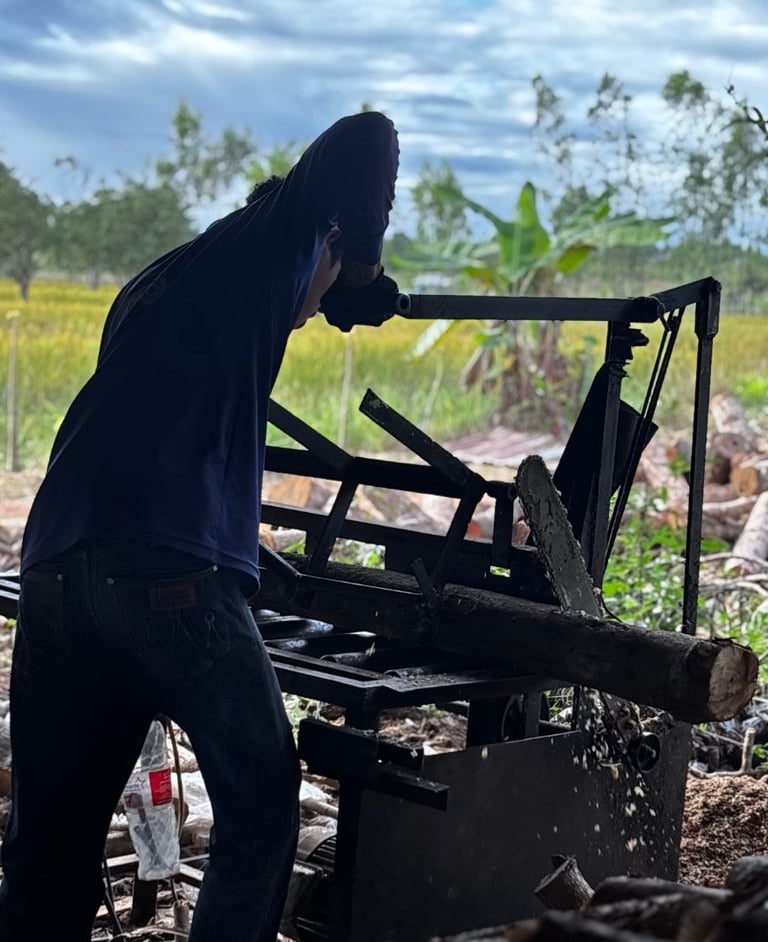

Building Carbon Infrastructure from Biomass
Investment Highlights
• 250+ furnaces and machines deployed
• Two operational production facilities in Thailand
• Proprietary pyrolysis technology (patent pending in Thailand)
• In-house engineering and machine manufacturing
• Multiple revenue streams from one biomass process
• Export demand emerging from Europe and the Middle East
• Distributed scaling model through community partnerships
Khokbawa operates at the intersection of agriculture, energy, and carbon removal, three sectors undergoing major global transformation.
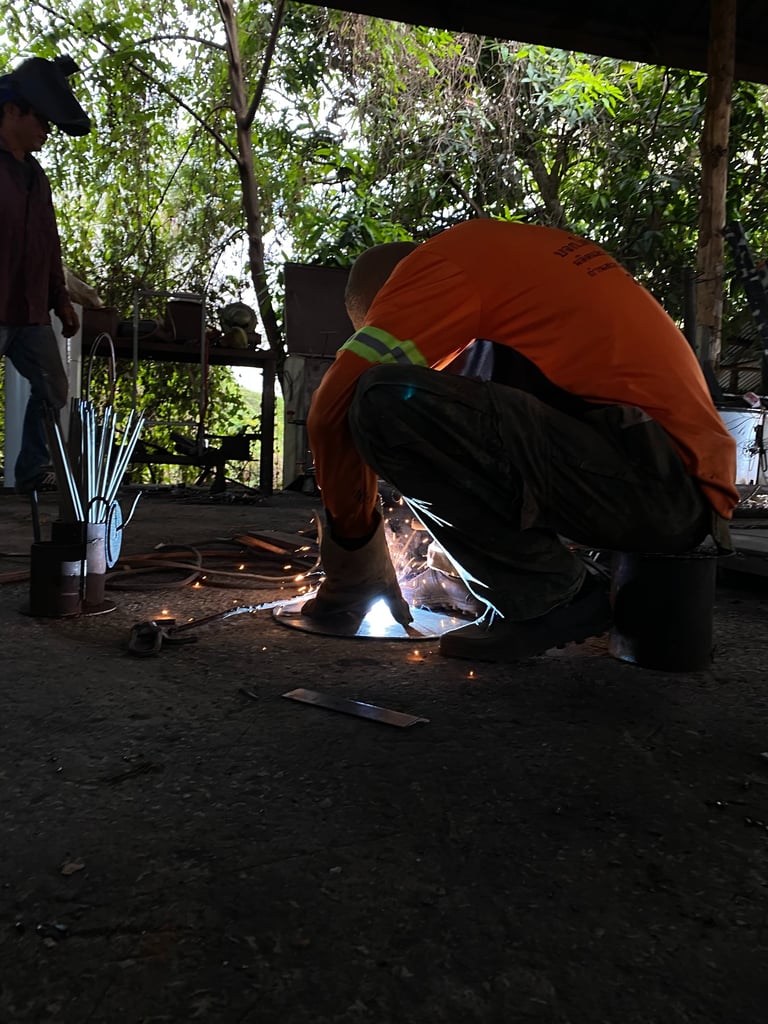
From Local Tradition to Industrial Innovation
Khokbawa began in Udon Thani, Thailand, where charcoal production supported the family for generations.
What began as traditional charcoal making evolved into a modern engineering project focused on improving biomass conversion.
Today Khokbawa designs and builds advanced pyrolysis systems capable of producing biochar and charcoal with higher efficiency and lower emissions.
The company now brings together a Thai-French team combining engineering, agriculture, and international business expertise to scale these technologies globally.
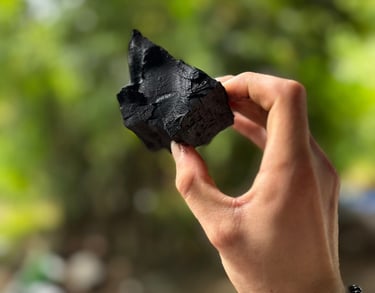

Khokbawa operates across several locations and continues to expand through partnerships and decentralized production.
Our Presence
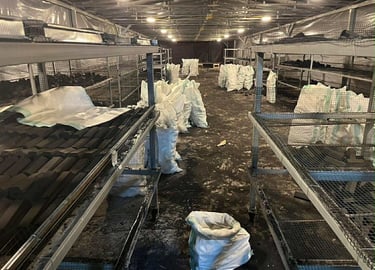
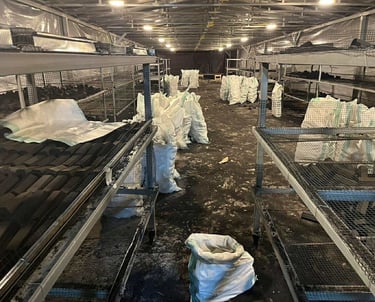
Kut Chap, Udon Thani, Thailand
Charcoal briquette production facility supplying regional markets.
Bangkok, Thailand
Head office coordinating partnerships, investment, and international growth.
Ban Dung, Udon Thani, Thailand
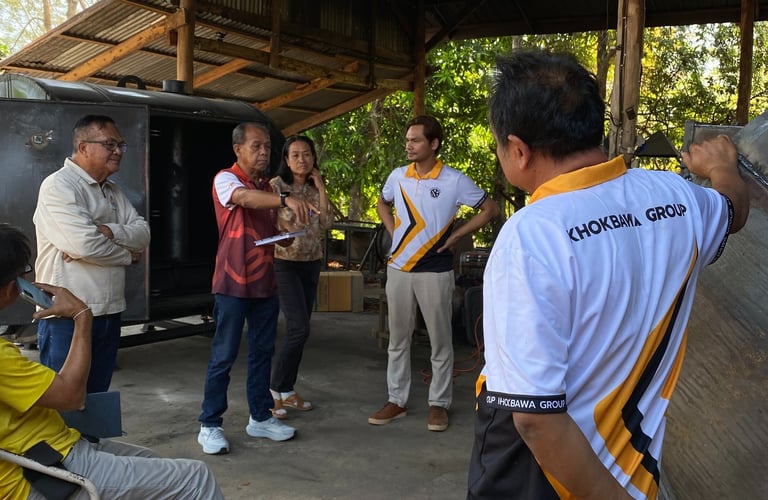
Engineering and biochar production site where Khokbawa machines and furnaces are designed and manufactured.
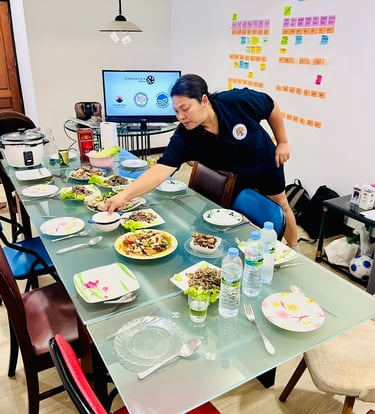
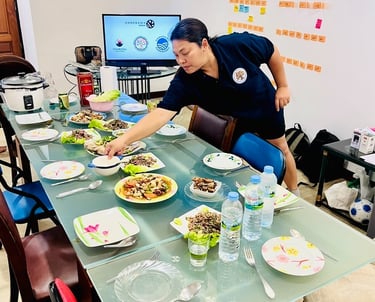
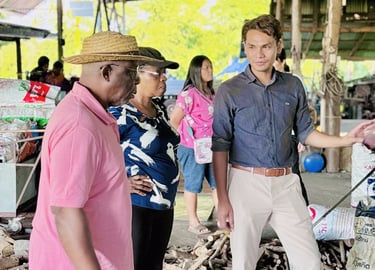

Abuja, Nigeria
Manufacturing and deployment site for biomass systems adapted to local energy needs.
Beyond these sites, Khokbawa works with agricultural cooperatives and rural communities across Thailand, supporting a decentralized model where local producers operate furnaces and convert biomass into valuable carbon materials.
The company is currently preparing its application with the Thailand Board of Investment (BOI) to support expansion in sustainable biomass processing.
Khokbawa is also a member of the Franco-Thai Chamber of Commerce, strengthening international partnerships and market access in Europe.
What We Produce
Khokbawa’s integrated pyrolysis systems convert biomass into several valuable products.
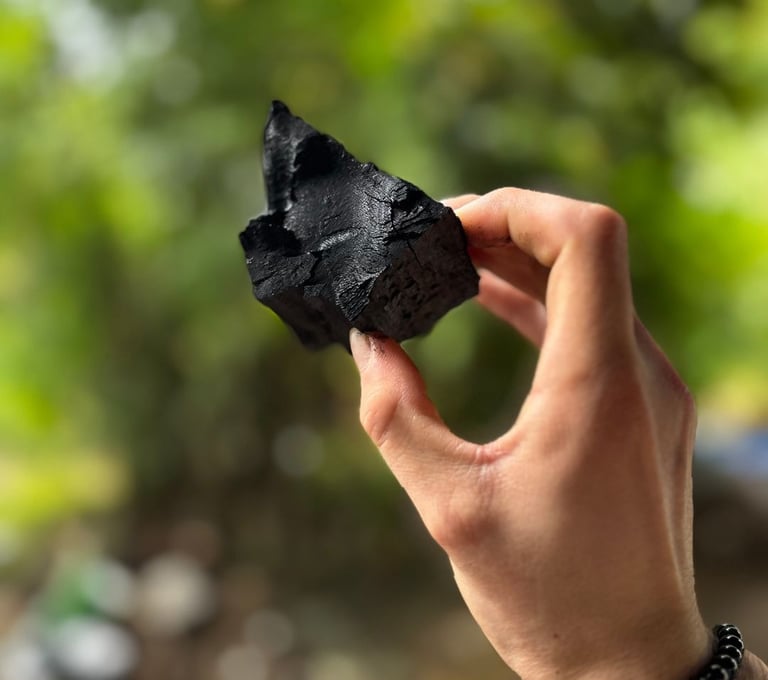
Biochar: Improves soil fertility, water retention, and long-term carbon storage.
Charcoal and Smokeless Briquettes: Clean-burning fuel widely used by restaurants, grilling markets, and households.
Carbon removal credits: Generated from verified biochar production and carbon sequestration.
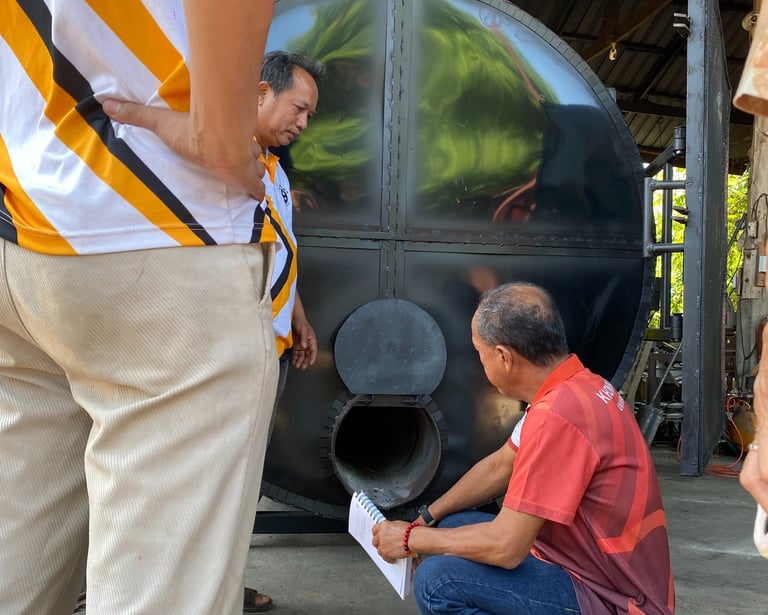
Pyrolysis Machinery: Furnaces and biomass processing systems designed and manufactured in-house.
Future development will also explore activated carbon and other advanced carbon materials, building on Khokbawa’s expertise in biomass transformation.
Technology Advantage
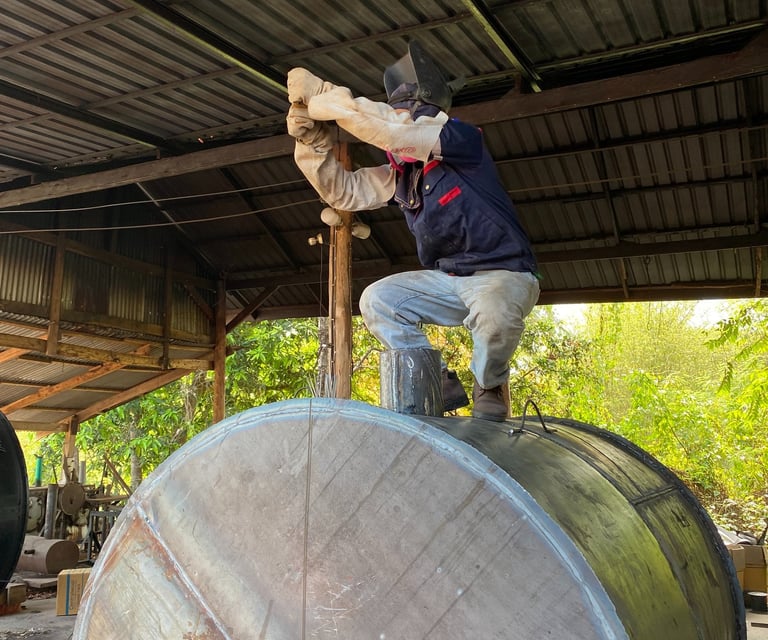
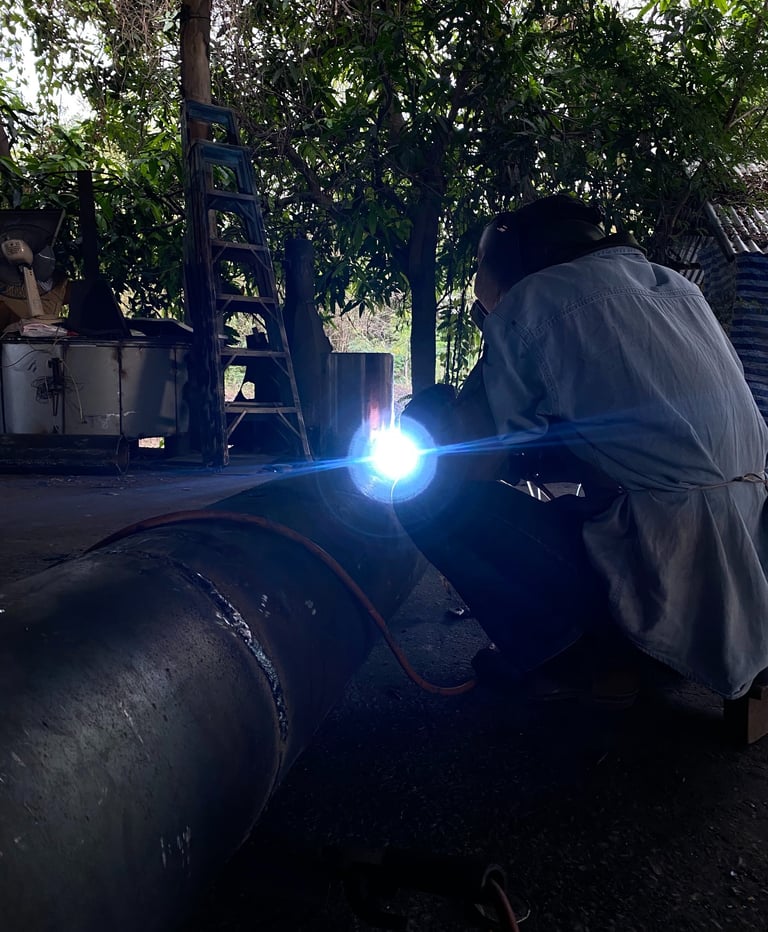
Khokbawa designs and manufactures its own pyrolysis systems.
The technology incorporates proprietary pressure systems and combustion innovations designed to improve efficiency, reduce emissions, and increase production reliability.
A patent application for these technologies is currently being prepared in Thailand.
Because the machines are built internally, Khokbawa maintains full control over:
• technology development
• production capacity
• operating costs
• system performance
This engineering capability allows the company to continuously improve its systems and adapt them to different biomass resources around the world.
A Distributed Production Network
Rather than relying on a single large facility, Khokbawa is developing a distributed production model.
Through partnerships with communities, cooperatives, and local entrepreneurs, Khokbawa furnaces can be deployed directly in biomass-rich regions.
Local partners operate the systems and convert agricultural residues into charcoal and biochar.
Khokbawa supports the network through:
• technology supply
• training and technical support
• product aggregation and export
This approach allows production capacity to scale organically while creating economic opportunities in rural areas.


Why Khokbawa Wins
Khokbawa combines several advantages that are rarely found together in early-stage climate companies.
Vertical Integration
Khokbawa designs and manufactures its own machines while operating production and biomass processing.
Cost Advantage
Thailand offers abundant agricultural biomass and competitive production costs.
Multiple Revenue Streams
Charcoal markets generate immediate revenue while biochar and carbon credits create long-term growth.
Operational Traction
More than 250 machines are already operating in real production environments.
Distributed Scaling Model
Partnerships with communities and cooperatives allow production to scale across regions without massive centralized infrastructure.


Traction
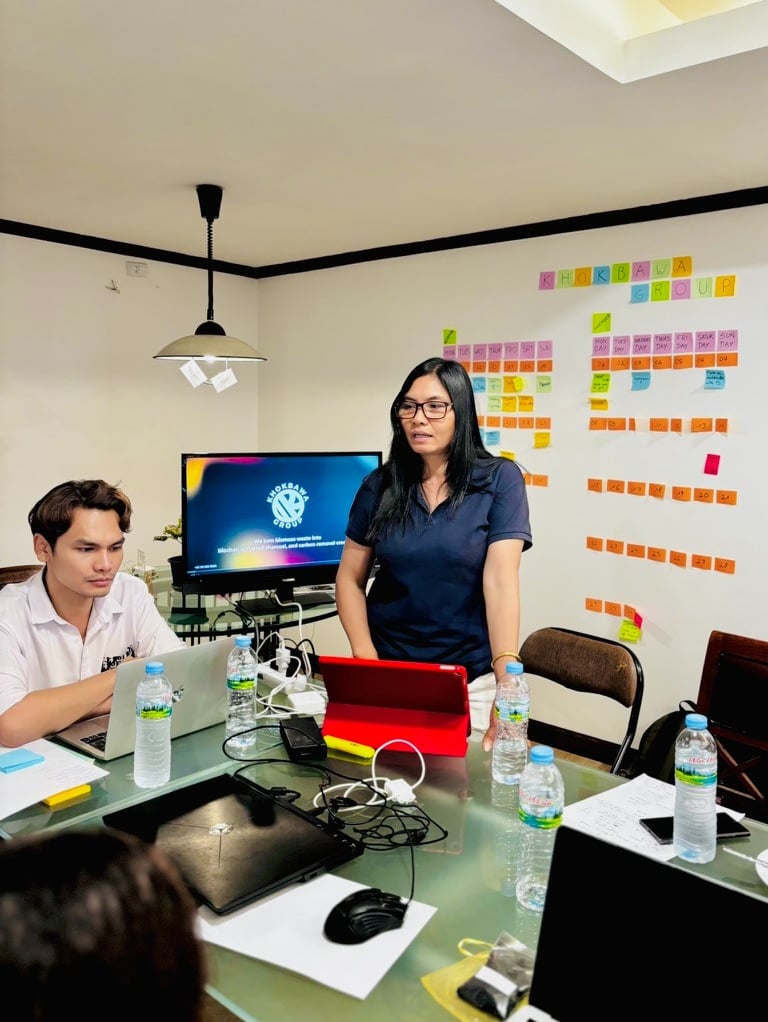
More than 200 furnaces and machines are operating across Thailand and other countries.
Models range from small village units to systems producing up to 3 tons of biochar per day. We can build larger systems when needed.
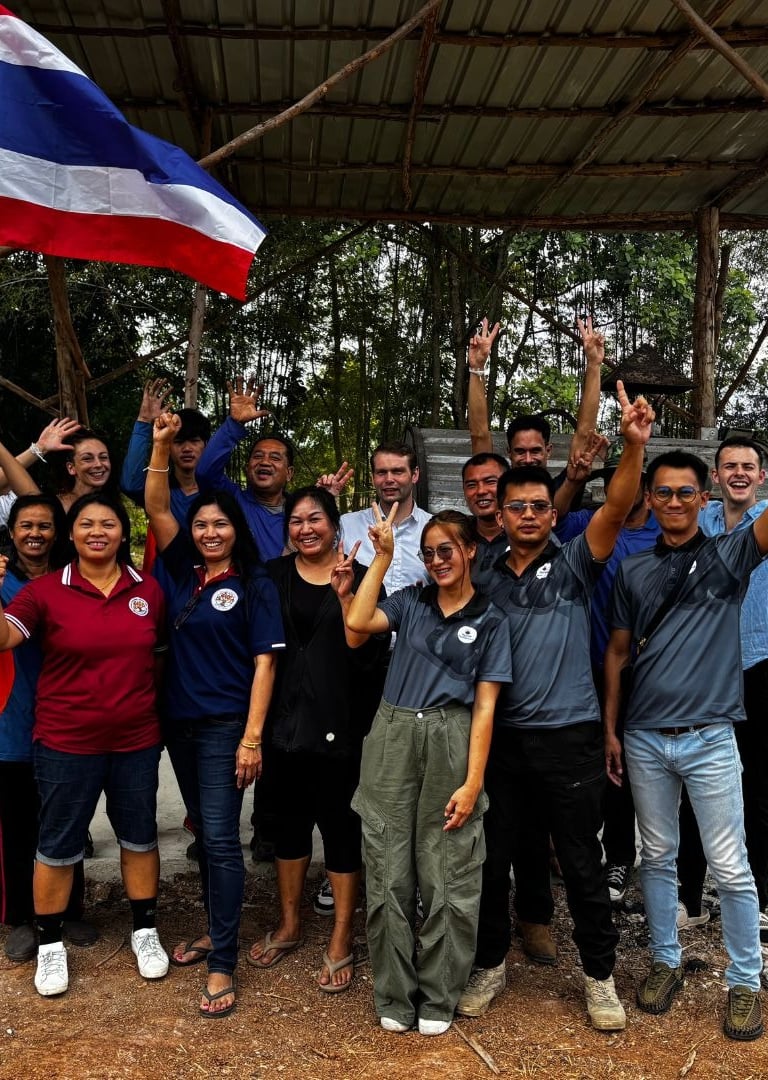
Thai producers use our machines to build profitable businesses.
Partners abroad adapt our systems to local biomass and energy challenges.
Biochar buyers in France and Europe have already signaled demand for our agriculture grade product.


Impact
Thousands of tons of biomass transformed instead of burned.
Stable carbon stored for the long term.
Water retention and fertilizer reduction observed in field trials.
Jobs created in rural communities.
Clean energy potential using wood gas where needed, including in Nigeria.
Our Roadmap
2026
First exports to the European market.
Biochar production target of 1,000 tons.
Path to 10,000 tons per year as systems scale and demand grows.
Carbon credit methodology progressing for 2027.
Activated carbon expansion.
Recurring European supply contracts.






Global Market Opportunity
Several global trends are driving demand for Khokbawa’s solutions.
• soil degradation and demand for regenerative agriculture
• expansion of voluntary carbon markets
• global charcoal demand for food and energy
• increasing need for sustainable carbon materials
Together, these sectors represent a global market opportunity measured in hundreds of billions of dollars.
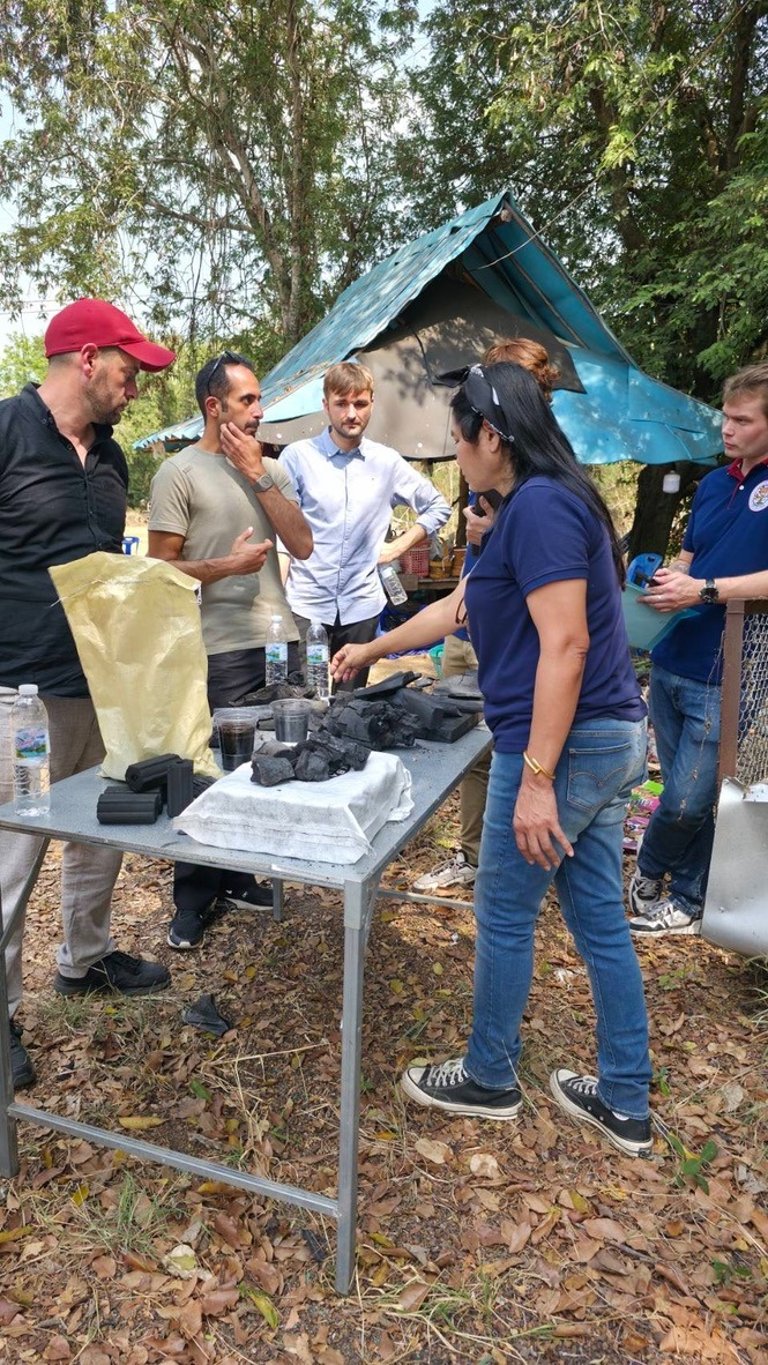
Growth Roadmap
2026
• first biochar exports to Europe
• production target of 1,000 tonnes
• expansion of charcoal production and export


2027
• carbon removal credit certification
• additional pyrolysis systems deployed
• expansion of distributed production network
Khokbawa aims to build a nationwide network of biomass processing systems capable of producing thousands of tonnes of biochar annually, supported by community partnerships and industrial customers.
Scaling Phase


Building a New Biomass Industry
Agricultural residues are often treated as waste.
Khokbawa’s vision is to transform these materials into a foundation for energy, agriculture, and carbon solutions.
By combining engineering innovation, local partnerships, and international markets, the company aims to position Thailand as a leader in the emerging global biochar and carbon removal economy.
If you are interested in learning more about the project or exploring partnership opportunities,
we would be pleased to speak with you.

We don’t do hype. We don’t do delays. The planet is burning and biochar works. If you want to build solutions that matter...






Khokbawa Group © 2026 | All Rights Reserved | Reproduction without permission is prohibited. | [Legal & Compliance]